
H-2B for construction employers
Roofing, concrete and painting contractors can have a temporary need for extra crews, even when the business builds all year. H-2B planning starts with when the additional need begins, why it ends and the records that show it.
Ongoing construction is not a temporary need
H-2B covers temporary, non-agricultural jobs. Many construction businesses work every month of the year, and that does not rule them out. What has to be temporary is the employer's need for the additional workers. A steady backlog, a growing company or a position that stays open all year does not show that by itself.
Federal rules recognize four kinds of temporary need. The notes below show how each one can apply to a construction employer. They are starting points for review, not conclusions about your case.
Seasonal
Work tied to a season that comes back each year, such as exterior work that weather limits for part of the year. Payroll and project dates from prior years should show the extra work rising and falling in the same months.
Peakload
Extra workers above your permanent crew for a short-term increase in work. Show the regular crew's workload, the contracted work that pushes past it, and when the extra need ends.
One-time occurrence
Either work the business has not needed before and will not need again, or a short temporary event that adds a need on top of permanent operations. A project well outside the type or scale of work you normally do can qualify; a new contract of the kind you usually win is part of normal operations. Explain the event and why the staffing need has a defined end.
Intermittent
Occasional help for short periods when you do not keep permanent full-time workers for that work. The records should show when the work starts and when it stops.
DOL normally limits a temporary need to nine months, with an exception for a one-time occurrence. The type of need shapes the dates, the evidence and the written explanation, so it is reviewed before anything is filed.
Construction trade guides
Each guide covers the duties, records and planning questions for one trade. If your crews work in more than one trade, read each guide that applies.
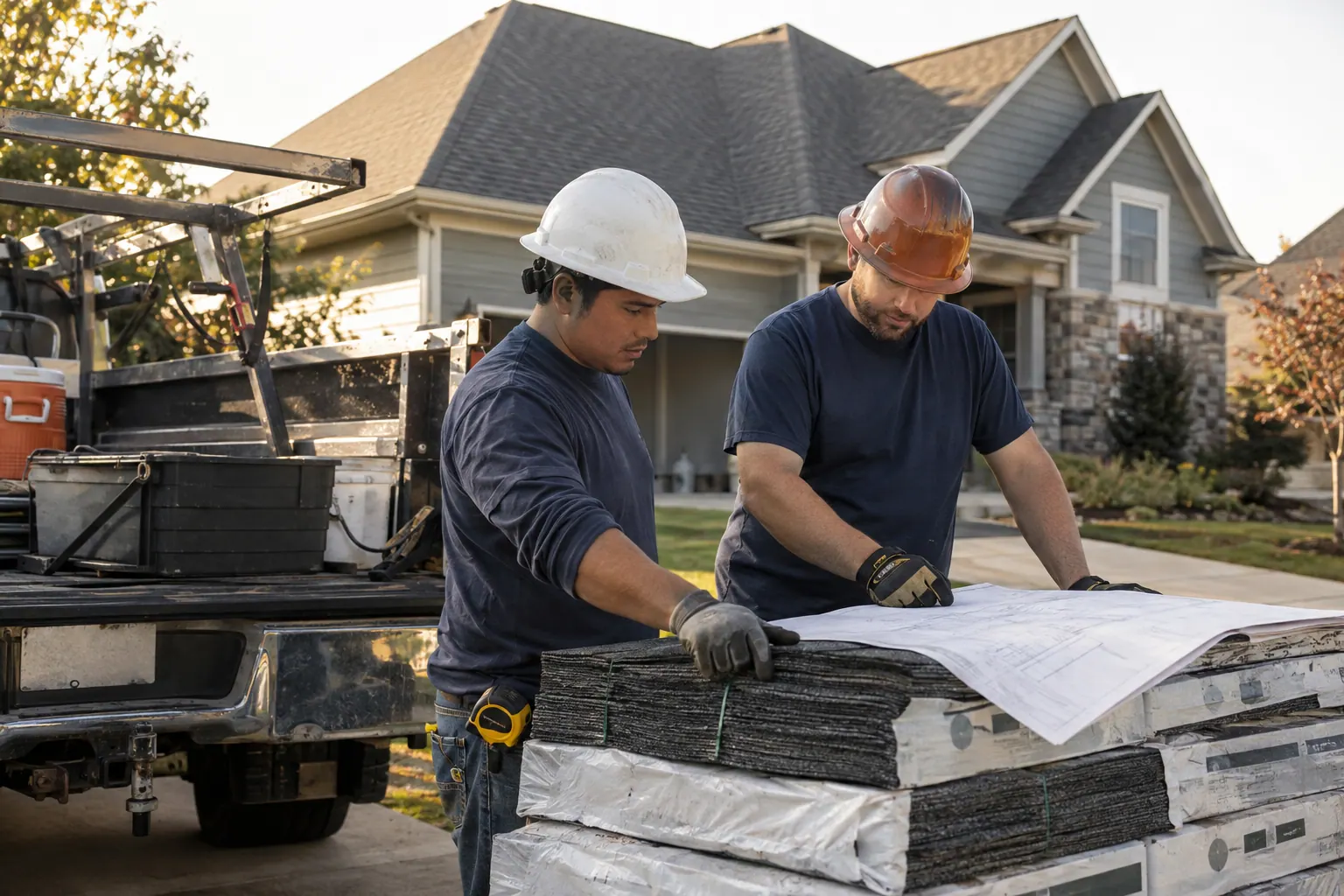
Roofing
Roofing contractors use H-2B to add laborers and installers for the busy season. A long backlog alone does not qualify, so we check your own records for a seasonal pattern.
Read the H-2B guide →Concrete
Concrete contractors use H-2B to add finishers and laborers for the pour season. Even if your business works year round, the extra crew must match a seasonal or peak period with clear start and end dates.
Read the H-2B guide →
Painting
Painting contractors use H-2B to add painters for the exterior season or a documented busy period. Openings you have all year do not qualify.
Read the H-2B guide →Your trade alone does not decide whether you qualify. We review your temporary need, job requirements, records and dates before we propose a plan.
A landscaping company that also builds patios, retaining walls or other hardscape should describe that construction work separately from grounds maintenance. Landscaping guide →
Questions to settle before filing
We have projects all year. Can we use H-2B?
Year-round work does not rule you out, and it does not qualify you either. The question is whether your need for the extra workers is temporary, such as a recurring season or a short-term peak above your permanent crew. If the extra positions would be filled in every month of the year, that points to a permanent need, which H-2B does not cover.
Can one job title cover every trade on our crews?
Usually not. Roofers, concrete finishers, painters and construction laborers can fall under different occupational classifications, and each classification has its own prevailing wage for the area of intended employment. Describe what each worker will actually do before the occupation is chosen and the wage determination is requested.
Can crews move between our jobsites?
The filing describes the job and where it is performed. Work outside the certified area of intended employment or duties can fall outside the certification. List every expected jobsite and travel pattern at the start, and ask for review before adding a new area during the season.
What if our extra work falls in the colder months?
Our construction guides are listed with the summer industries. If your additional need falls in other months, that pattern needs its own records. It should not borrow the explanation of a summer season.
Check your next season
Answer five questions, starting with your trade, and take your answers into the consultation.
Question 1 of 5
We are your agent of record, and you stay in charge of your business.
Connecting Labor USA is an H-2B consulting firm, not a law firm. We prepare your filings and keep your case on schedule. You stay the employer and sign the petition. If you need legal advice, an attorney handles it under a separate agreement.
Explore the detailed H-2B process →Talk through your crews and dates
Share your trades, jobsites and proposed dates so we can review the next steps.